Find your first audience
See who has the strongest reason to watch, which scenes earn their interest, and who you could lose by broadening the pitch.
US release strategy for independent features
Releasing an independent narrative feature in the US? Before you brief your trailer editor or buy ads, we watch the full cut and recommend which audience to reach first, which scenes give them a reason to watch, and where to reach them.
The service
Bring us the two pitches your release team is weighing, or let us find them in the cut. We compare the film against eleven audience profiles and deliver a written brief your trailer editor and media buyer can use.
See who has the strongest reason to watch, which scenes earn their interest, and who you could lose by broadening the pitch.
Get two written openings with timecodes. See which one we’d lead with, the expectation each sets, and what in the film pays it off.
See where a trim, a sound cue, or one more beat could help. Each edit names who might gain interest and who might miss what you cut.
We use AI-assisted video and audio analysis to score scenes for what different viewers enjoy, from immediate danger to emotional payoff. An analyst checks decisive moments against your cut. We then use US audience research to suggest age groups, theater catchments, and Facebook, Instagram and TikTok tests. Actual ticket sales tell you whether to expand.
Inside an Audience Cut brief
In David F. Sandberg’s 2016 horror film, a woman tries to protect her little brother from a figure that appears in the dark. We watched the full film, compared eleven audience profiles, and asked who a distributor should advertise to first for a US theatrical revival.
Start with horror fans who like to think one move ahead of the characters. A worker flips a light switch. In the dark doorway, someone is standing there. When the light comes on, the figure is gone. In seconds, the viewer knows what to fear the next time a light flickers.
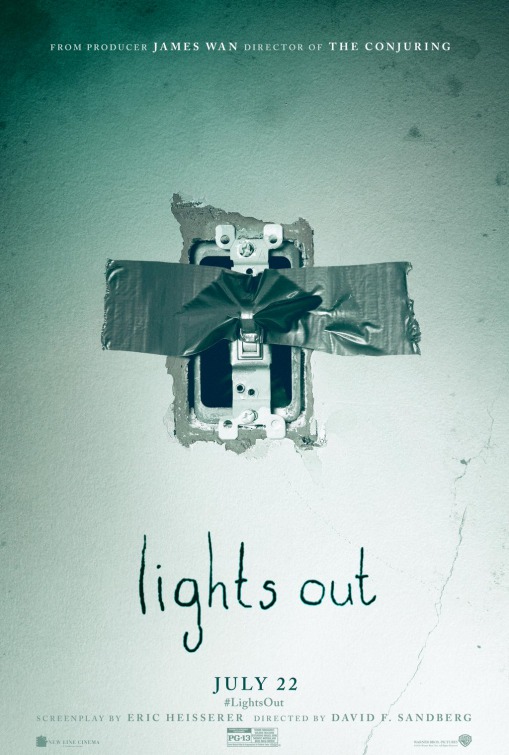
Open a new trailer with the switch at 03:04–03:22. Then cut to the flickering red neon outside Rebecca’s apartment. The viewer can predict the danger a beat before it arrives. For people drawn to family drama, try a second opening with Rebecca deciding to protect her brother.
Test trimming 10–14 seconds around 43:14 and 44:02. A hospital recording has already explained the treatment. Cutting its repeat gets horror fans back to the danger sooner. Keep the boy’s question and his sister’s answer so viewers following the family still understand what’s at stake.
Run both trailer openings near one participating theater with the same spend and showtimes. Give each a separate ticket link. Compare cost per paid seat against what the theater earns on a ticket before adding dates. Check whether the family-led opening brings in a different crowd.
Audience Cut independently analyzed the released film. These are proposed tests for a revival. Their effect on ticket sales has yet to be measured.
Discuss a decision on your filmIn Trey Edward Shults’s 2017 horror film, two families share an isolated house during an outbreak. At night the red door must stay locked. One night they find it open. The fear comes from watching people who need each other decide whom to blame.
A Lights Out viewer can learn the rule and play along with the next scare. Here the rule breaks, and knowing it gives the viewer no protection. For a limited US revival, our first choice is adults who love slow-burn psychological horror and will sit with a question after the lights come up.
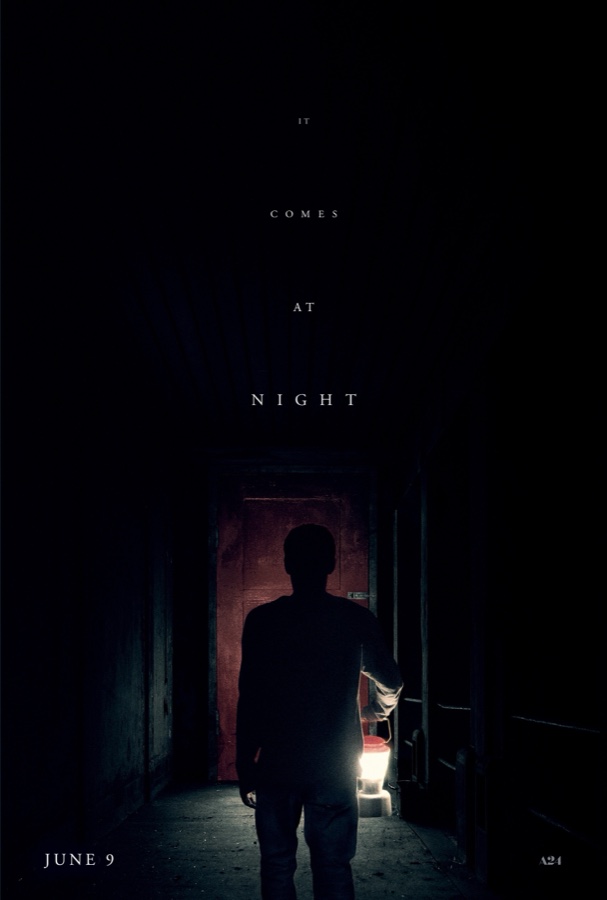
Open on a family eating by lantern light. Establish the rule about the red door. Later, return to the same door standing ajar. Let the sound drop away and cut to the showtime while the door is still open. The audience leaves with a question the film explores: can either family trust the other now?
Screen the released cut first. Around 1 hour 20 minutes, when the confrontation moves from the house to the woods, try holding a single wider view long enough to see who controls the exit. That may help viewers following the parents’ choices, but the extra beat could soften the shock for horror fans. Keep it only if viewers can say who held power and still feel caught off guard.
People who choose films for family drama have a reason to care, too. Cut a second trailer from the welcome the families extend to each other and the suspicion that follows. Test both versions with local adults for the same screening and spend. Let cost per paid seat guide the next booking.
Audience Cut independently analyzed the released film. The two trailers and the longer shot are proposals for testing. Audience response and ticket sales have yet to be measured.
Discuss a decision on your filmWork with us
$1,500 per feature engagement
For distributors and producers running their own US release. Get your first audience, two trailer openings and a recommendation on where to spend first, in five business days from agreed scope and receipt of an authorized cut. Includes a 30-minute working session and one review of your test results.
We can agree an NDA, screener access and processing terms before you share your film.